
Scaling and Root Planing: What to Expect
If you’ve been told you need a deep cleaning, here’s what the procedure actually involves, why it works, and what recovery looks like.
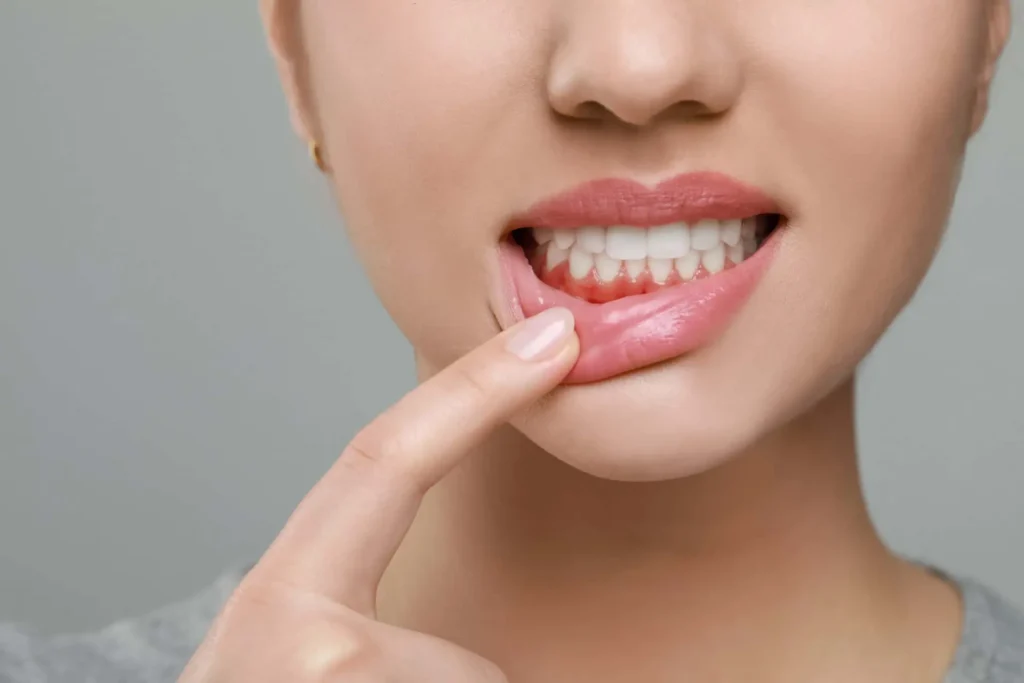
What scaling and root planing actually does
Scaling and root planing — often called a “deep cleaning” — is the most effective non-surgical treatment for gum disease. It’s not a more thorough version of a regular cleaning. It’s a different procedure for a different condition.
Together, the two steps remove the cause of the infection and prepare the root surface for healing.
Why a regular cleaning isn’t enough
A regular cleaning (prophylaxis) removes plaque and tartar from the tooth surfaces and just at the gumline. It’s the right treatment for patients with healthy gums, and our comparison of deep cleaning vs. regular cleaning walks through how the two procedures differ.
When gingivitis has progressed to periodontitis and pockets have deepened — typically 4mm or more — bacteria get into areas a regular cleaning can’t access. At that point, a regular cleaning cleans the surface but doesn’t address the infection below. Scaling and root planing reaches those areas.
This is also why a dentist recommending SRP when a regular cleaning might feel adequate isn’t a sales tactic. It’s a clinical determination based on pocket depth measurements. If your gum pockets are in the range that indicates disease, SRP is the appropriate treatment and a regular cleaning won’t resolve it.
What to expect during the procedure
SRP is typically done in two visits — one for each side of the mouth. This limits the area of numbness at any one time and allows each side to begin healing before the other is treated.
The procedure is done with local anesthetic. You’ll feel pressure and movement, but not pain during the procedure. If you have dental anxiety, let us know before the appointment — we can discuss ways to make it more comfortable.
Your hygienist or dentist uses specialized instruments to scale the root surfaces below the gumline, then planes (smooths) the roots. The procedure takes 45 minutes to an hour per side, depending on the extent of the disease.
Expect some gum soreness and increased tooth sensitivity for a few days. The tissue has been thoroughly cleaned and is starting to heal. Over-the-counter pain relievers manage the discomfort well for most patients, and a warm salt-water rinse can help too. Stick to soft, lukewarm foods for the first day or two while your gums settle — see What to Eat After a Teeth Cleaning for a full list of what works and what to hold off on.
Several weeks after the procedure, we re-examine your pocket depths to assess how the tissue has responded. Based on that exam, we’ll determine whether additional treatment is needed and set your maintenance schedule going forward.
Questions about the procedure? Call us.
What comes after scaling and root planing
After SRP, most patients don’t return to a standard six-month cleaning schedule. Instead, they move to periodontal maintenance — professional cleanings every 3–4 months.
This matters because periodontitis, once present, requires ongoing management. The bacteria that cause it are always in the mouth. More frequent cleanings keep them from re-colonizing the pockets and allow your care team to monitor pocket depths over time.
Some patients, with good home care and consistent maintenance visits, see their pocket depths stabilize or even improve. Others may need additional SRP or specialist referral if the disease continues to progress.
The goal of the maintenance schedule is to keep the disease controlled — so it doesn’t progress to the point of needing more invasive treatment or tooth loss. For typical SRP fees and how insurance applies, see our breakdown of gum disease treatment cost.
What it costs at Hollywood Smile Dental
Every treatment starts with a written estimate, so you know the cost before anything begins.
What to expect
- Cost Quoted after your exam
- Per quadrant, 4+ teeth Cost depends on your treatment plan, and we give you the exact figure in writing before any work begins.
- Per quadrant, 1–3 teeth Cost depends on your treatment plan, and we give you the exact figure in writing before any work begins.
Book a visit
No rush. No judgment. No surprises.
Common questions
Everything you need to know before your first visit.
Is scaling and root planing painful?
The procedure is done with local anesthesia, so you shouldn’t feel pain during it — just pressure and movement. Afterward, soreness and some tooth sensitivity for a few days is normal. Most patients say the procedure was easier than they expected, and over-the-counter pain relievers handle the post-procedure discomfort well.
Is deep cleaning the same as a regular cleaning?
They’re different procedures for different conditions. A regular cleaning removes plaque and tartar above the gumline — appropriate for healthy gums. A deep cleaning goes below the gumline to remove bacteria from the root surfaces — appropriate when gum disease has progressed beyond what a regular cleaning can address. One is maintenance; the other is treatment.
Does dental insurance cover scaling and root planing?
Most PPO plans cover SRP when gum disease is diagnosed, because it’s classified as a periodontal treatment rather than a routine cleaning. Coverage percentages vary by plan. We verify your benefits before scheduling and tell you your estimated out-of-pocket cost upfront.
How long does SRP take?
Typically 45 minutes to an hour per side of the mouth, done across two appointments.
How long does it take to recover from a deep cleaning?
Most patients feel normal within a few days. The gum soreness and sensitivity peak in the first 24–48 hours and typically improve significantly by day three or four. If sensitivity persists longer, let us know at your follow-up visit.
Can gum disease come back after SRP?
Yes — the bacteria that cause gum disease are permanently present in the mouth. SRP removes them from below the gumline, but without consistent home care and regular maintenance visits, they can re-colonize. This is why periodontal maintenance (every 3–4 months) is part of the treatment plan, not an add-on.

Questions about scaling and root planing? We’ll walk you through it.
Our team at Hollywood Smile Dental explains what’s happening with your gum health and what treatment involves — before anything is scheduled. Call or book online Monday through Thursday.
Book a visit
No rush. No judgment. No surprises.